














Know your stone.Create with confidence.
Your K–Z guide to gemstones, minerals and meaningful jewellery. Explore their colours, origins, care, traditional meanings and chakra associations.
Origins · Meanings · Care
43 terms · Browse K–Z by letter.
Open an entry’s details for composition, history, chakras and associations.
Understand gemstone labels
| Description | What it tells you |
|---|---|
| Natural | Formed in nature. A natural stone may still be dyed, heated, filled or otherwise treated. |
| Laboratory-grown / synthetic | Made by people with essentially the same composition and crystal structure as the corresponding natural gem. |
| Simulant / imitation | A different material chosen to resemble a gem. It may be natural or manufactured. |
| Reconstructed / composite | Made by combining pieces, particles or different materials, sometimes with a binder. It is not the same as a laboratory-grown crystal. |
Ask for the actual material and any treatments. A photograph, colour name or trade name alone cannot confirm identity or origin.
Hardness, care and choosing a stone
Hardness measures resistance to scratching. It does not measure toughness, which is resistance to breaking or chipping. Cleavage, fractures, treatments and the jewellery setting also matter. Mohs numbers are relative; the steps between them are not equal.
Use the care notes as a starting point for identified material. Follow the supplier’s instructions for the actual bead, including any coating, dye, filling, glue or stringing material. For an unidentified stone, begin with a soft, dry cloth.
No matching K–Z terms.
Try a shorter word or look in Gemstones A–J.
Kunzite
Minerals
More examples

Mohs hardness6.5–7
The pink-to-lilac gem variety of spodumene. Its colour can change in strength with viewing direction, and some stones fade with prolonged light exposure. Despite a moderate hardness, strong cleavage makes kunzite vulnerable to sharp blows.
Traditional meanings
Associated with affection, compassion, gentleness and openness to love. Modern crystal practitioners choose it for intentions involving self-acceptance, emotional honesty and a quiet, generous approach to relationships.
Composition, history & chakra details
Composition & colours
Kunzite is the pink to lilac variety of spodumene, with colour related to manganese. It can show different colour intensity when viewed from different crystal directions. Its perfect cleavage means that a hard surface can still split under a sharp blow. Some material can fade with prolonged strong light or heat.
Origins, history & uses
Named for gemologist George Frederick Kunz, kunzite entered the gem trade in the early twentieth century. Sources include Afghanistan, Brazil, Madagascar and the United States. Transparent material is faceted, while other material can be used in beads or cabochons. Colour and care should be considered alongside the design.
Chakra associations
Commonly associated with the heart chakra, with some traditions also linking it to the crown.
Kyanite
Minerals
More examples

Mohs hardnessAbout 4.5–7, depending on direction
An aluminium silicate mineral often seen as blue bladed crystals, although other colours occur. Its scratch hardness differs with crystal direction. This is why a single hardness number is misleading. Beads and pendants may show natural streaks and inclusions.
Traditional meanings
Contemporary crystal traditions associate kyanite with alignment, calm expression, clear thought and bringing different aspects of life into harmony. It is used as a meditation focus and a symbol of truthful communication.
Composition, history & chakra details
Composition & colours
Kyanite is an aluminium silicate and a polymorph of andalusite and sillimanite: they share a composition but have different crystal structures. Its crystals commonly form elongated blades in metamorphic rocks. Its Mohs hardness is about 4.5–7 depending on crystal direction, so its resistance to scratching is not the same in every direction. Blue is familiar, but colourless, white, grey, green and other material also occurs. Colour can be streaky or uneven, with a glassy to pearly lustre.
Origins, history & uses
Sources include Brazil, India, Kenya, Nepal, Switzerland and the United States. Attractive material is used in beads, cabochons, faceted collector stones and mineral specimens. Kyanite is also an industrial refractory material used in products that must withstand high temperatures. Its directional properties and cleavage call for careful handling.
Chakra associations
Blue kyanite is commonly associated with the throat and third eye; some practitioners use it symbolically for overall chakra alignment.
Labradorite
Feldspar family
More examples

Mohs hardness6–6.5
A plagioclase feldspar that can show bright blue, green, gold or other flashes called labradorescence. The effect changes with lighting and viewing angle; it is not a surface coating in untreated material. Not every labradorite piece shows the same strength of flash.
Traditional meanings
Associated with intuition, imagination, transformation, protection and staying centred during change. The earlier themes of joy, kindness and good fortune remain part of its symbolic appeal. Many practitioners use its shifting light as a focus for exploring possibilities and inner awareness.
Composition, history & chakra details
Composition & colours
Labradorite is a calcium-sodium plagioclase feldspar. Its characteristic flashes are called labradorescence and arise from light interacting with internal structures, rather than a surface coating in untreated material. A grey or darker body colour can reveal blue, green, gold, orange or other flashes as the viewing angle changes. Not every part of a stone shows the same strength or direction of flash.
Origins, history & uses
The name refers to Labrador in Canada. Other familiar sources include Madagascar, Finland and Russia. Material is commonly cut into cabochons, beads and carvings, with orientation chosen to display the optical effect. A bead may look subdued from one angle and bright from another. Its cleavage makes protection from knocks important.
Chakra associations
Associations vary; the blue flash is linked with the throat in some contemporary crystal guides, while other traditions emphasise intuition.
Lapis lazuli
Rocks and aggregates
More examples

Mohs hardnessVariable; commonly about 5–6
A blue ornamental rock made from several minerals, with lazurite providing much of the blue colour. White calcite and metallic-looking pyrite may be visible. It is a rock rather than one mineral, and some material is dyed or treated to improve its appearance.
Traditional meanings
Traditionally associated with truth, wisdom, good fortune, inner peace and self-confidence. Crystal practitioners also connect it with concentration, clear expression, intuition, friendship and comfort during mourning. It is chosen as a symbol of speaking honestly and understanding oneself.
Composition, history & chakra details
Composition & colours
Lapis lazuli is a rock composed of several minerals, usually including blue lazurite with calcite and pyrite. Sulphur-bearing components in lazurite’s structure contribute to the blue colour. White calcite patches and brassy pyrite specks create familiar contrasts. The glitter of pyrite is reflection, not the same phenomenon as fluorescence. Colour can range from rich royal blue to lighter denim-like material.
Origins, history & uses
Afghanistan has been an important source for thousands of years; other sources include Chile and Russia. Lapis has been treasured by ancient Egyptian, Mesopotamian and other cultures and fashioned into beads, amulets, carvings and inlay. It was also a source of the blue pigment ultramarine. Waxing, dyeing and impregnation may alter appearance; not every lapis item has received the same treatment.
Chakra associations
Commonly associated with the third eye and throat chakras.
Birthstone
September (Understanding, protection). An alternative association preserved from our original glossary; birthstone lists vary.
Traditional zodiac associations
Sagittarius
Lava stone
Rocks and aggregates
More examples

Mohs hardnessVariable; depends on the rock and treatment
A broad jewellery trade term for volcanic rock, often dark and full of small holes. These cavities, called vesicles, form from gas bubbles as lava solidifies. Lava beads can be dyed, waxed or otherwise finished, so their appearance does not establish an untreated natural surface.
Traditional meanings
It can be chosen as a personal symbol of resilience, grounding, transformation and a fresh beginning, inspired by its volcanic origin. Such symbolism does not identify the precise rock or establish a universal chakra assignment.
Composition, history & chakra details
Composition & colours
“Lava stone” is a broad commercial description, often used for porous volcanic rock beads. Gas bubbles in cooling lava can leave cavities called vesicles, which create the familiar open texture. It is a rock description rather than the name of one mineral with a single fixed hardness.
Origins, history & uses
Volcanic rocks occur in many regions. Jewellery beads may be waxed, dyed, coated or manufactured to resemble natural lava, so appearance alone does not establish origin or composition. The porous texture makes lava useful for visual contrast in beadwork, but coatings and stringing materials affect its care.
Malachite
Minerals
More examples

Mohs hardness3.5–4
A green copper carbonate mineral known for curved bands, rings and other patterns. It is relatively soft and can be scratched by harder stones. Manufactured imitations can copy its banding; appearance alone does not establish natural malachite.
Traditional meanings
Traditionally associated with protection, transformation, courage and recognising patterns that need to change. It has been used as a talisman for children and travellers in some traditions. Modern practitioners often connect it with compassion, boundaries and emotional growth.
Composition, history & chakra details
Composition & colours
Malachite is a copper carbonate hydroxide, usually green and often strongly banded. Light and dark green layers, eyes and curved patterns are characteristic of much ornamental material. It commonly forms in oxidised copper deposits and can occur with blue azurite. It is softer than quartz and should not be judged by polish alone.
Origins, history & uses
The Democratic Republic of the Congo is a major source; material also occurs in Zambia, Russia, Australia and elsewhere. Malachite has a long history in ornaments, carvings and pigments. Ancient cosmetic uses belong to history, not modern advice to apply powdered stone. Most jewellery material is cut as beads or cabochons rather than faceted. Dust-producing work requires appropriate lapidary precautions.
Chakra associations
Especially associated with the heart chakra, with other associations appearing in some practices.
Mookaite
Rocks and aggregates
More examples

Mohs hardnessVaries with the material
An ornamental stone from Western Australia, commonly sold as Mookaite jasper. It formed from silica-rich marine sediments and often combines mustard yellow, red, cream and purple tones. It is a rock material, so one fixed mineral formula or hardness does not describe every piece.
Traditional meanings
Contemporary crystal traditions associate mookaite with adaptability, exploration, making decisions and balancing adventure with stability. It is chosen as a symbol of confidence when entering a new stage of life.
Composition, history & chakra details
Composition & colours
Mookaite is a colourful silica-rich rock from Western Australia, often sold as mookaite jasper. Its appearance combines cream, mustard yellow, red, burgundy, brown and purple. It is associated with silicified sedimentary material, and different parts of a bead or slab can show markedly different colours.
Origins, history & uses
The name is connected with the Mooka Creek area. Mookaite is popular in beads, cabochons, carvings and polished specimens because a single design can combine warm colours without using several different stones. As with other rock materials, mineral composition can vary within the material.
Chakra associations
Red shades are often linked with the root, and yellow or golden shades with the solar plexus.
Moonstone
Feldspar family
More examples


Mohs hardness6–6.5
A feldspar gem showing a soft, floating light effect called adularescence. Traditional moonstone contains intergrown feldspar layers. Rainbow moonstone is a trade name commonly applied to a light-coloured labradorite material. Moonstone is a June birthstone.
Traditional meanings
Traditionally associated with attraction, good fortune, protection, tenderness, harmony and intuition. It is used in crystal practice for meditation, reflection on cycles and change, and becoming more aware of emotions. Some traditions also connect it with feminine energy and lunar cycles.
Composition, history & chakra details
Composition & colours
Moonstone is a feldspar gem known for adularescence: a soft light that appears to float beneath the surface. The effect is produced by light interacting with fine internal structures, commonly involving different feldspar components. Body colours include colourless, white, grey, peach and brown. Material sold as rainbow moonstone is commonly a variety of labradorite, rather than the same feldspar material as classic moonstone.
Origins, history & uses
Sources include Sri Lanka, India, Madagascar and other countries. Moonstone is usually cut as a cabochon or bead to show its moving sheen. Its lunar appearance has inspired traditions involving good fortune, love, journeys and new beginnings. Moonstone is one of June’s birthstones. Its cleavage means that a protective design matters even when the surface resists ordinary scratching.
Chakra associations
White moonstone is commonly associated with the crown chakra; other interpretations vary with colour and tradition.
Birthstone
June. A commonly used monthly birthstone. Traditional symbolism: Balance, good fortune, tender passion.
Traditional zodiac associations
Cancer
Morganite
Minerals
More examples


Mohs hardness7.5–8
The pink-to-orange-pink variety of beryl, related to aquamarine and emerald. Heat treatment is commonly used to adjust colour. Bead material may be more included or opaque than the transparent stones often shown in fine jewellery.
Traditional meanings
Associated in contemporary crystal practice with compassion, tenderness, patience, affection and receiving love. It is often chosen for jewellery celebrating a relationship, self-acceptance or a gentle new beginning.
Composition, history & chakra details
Composition & colours
Morganite is the pink to peach-pink variety of beryl, with colour related to manganese. It is a different beryl variety from emerald and aquamarine. Pale colour is common, and larger stones may show the pink more strongly. Heating can alter the colour balance of some material.
Origins, history & uses
Named in honour of financier and gem collector J. P. Morgan, morganite was recognised as a distinct gem variety in the early twentieth century. Sources include Brazil, Madagascar, Afghanistan and other regions. It is used in faceted jewellery and beads, with accurate descriptions of colour and treatment important.
Chakra associations
Commonly associated with the heart chakra.
Mother of pearl
Organic materials
More examples

Mohs hardnessSoft; varies with shell material
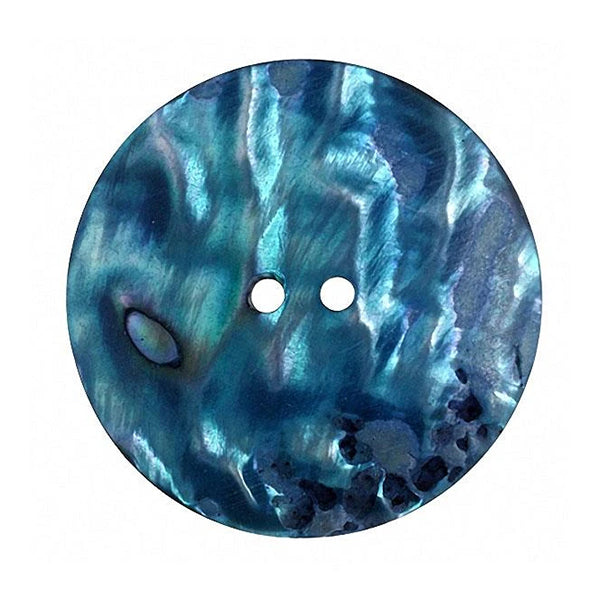
The nacreous inner layer of certain mollusc shells. Thin mineral layers and organic material produce its pearly lustre and iridescence. It is shell material cut into shapes, rather than a pearl grown as a separate object. Abalone is one source.
Traditional meanings
Mother of pearl can carry personal meanings of gentleness, nurturing, protection and connection with the sea. Pearl and shell symbolism varies between cultures; there is no single chakra assignment shared by all traditions.
Composition, history & chakra details
Composition & colours
Mother of pearl is nacre, the lustrous inner lining of certain mollusc shells. It consists of fine mineral layers, usually aragonite, together with organic material. Their interaction with light creates iridescence. It is related to the material in many pearls but is a shell lining rather than a separate pearl.
Origins, history & uses
Different mollusc species and growing environments produce different colours and appearances. Mother of pearl is cut into beads, pendants, buttons, inlay and small carvings. Abalone is one familiar source, but not the only one. Thin pieces, laminated products and dyed shell may need different handling from a solid shell bead.
Obsidian
Rocks and aggregates
More examples


Mohs hardnessAbout 5–6
Natural volcanic glass formed when silica-rich lava cools without developing a regular crystal structure. It is often black, but brown mottling, snowflake-like inclusions and sheen effects also occur. It can fracture into sharp edges and should not be confused with manufactured glass sold under imaginative trade names.
Traditional meanings
Traditionally associated with protection, integrity, discipline, focus and honest self-reflection. Crystal practitioners use it as a symbol of recognising difficult patterns, setting boundaries and finding the courage to make changes. Snowflake and mahogany varieties receive additional interpretations in some traditions.
Composition, history & chakra details
Composition & colours
Obsidian is natural volcanic glass formed when suitable lava cools without extensive crystallisation. It may be black, brown, reddish or patterned. Snowflake obsidian contains pale crystalline clusters; bubbles and other internal features can create sheen or iridescent effects in other varieties. Snowflakes are not simply trapped air bubbles.
Origins, history & uses
Sources include Mexico, the United States, Iceland, Italy, Japan and other volcanic regions. Obsidian has been used since prehistoric times for cutting tools, arrowheads, mirrors, masks and ornaments. Its sharp fracture made it valuable for blades; the same tendency means jewellery needs protection from impacts. Today it is cut into beads, cabochons and carvings.
Chakra associations
Black obsidian is commonly associated with the root chakra.
Onyx
Quartz family
More examples


Mohs hardness6.5–7 for chalcedony onyx
In gemmology, onyx is chalcedony with parallel bands. Black onyx jewellery is often uniformly black chalcedony, commonly treated to produce or strengthen the colour. Decorative material called marble onyx or onyx marble is generally carbonate rock with different properties.
Traditional meanings
Traditional and contemporary crystal associations include protection, endurance, self-control, confidence and emotional steadiness. It is often chosen as a reminder of personal boundaries and the strength to stay committed.
Composition, history & chakra details
Composition & colours
Mineralogical onyx is a variety of chalcedony with relatively straight, parallel colour bands. Sardonyx combines reddish-brown sard with contrasting layers. In jewellery, “black onyx” commonly refers to black chalcedony, much of which is dyed. Decorative “onyx marble” is usually a carbonate material and has different properties from quartz onyx.
Origins, history & uses
Onyx has a long history in seals, cameos, intaglios, beads and cabochons. Contrasting layers allow a carver to place a figure against a different-coloured background. The name comes from a Greek word for fingernail or claw. Identify the actual material and any treatment rather than assuming all green, blue or red “onyx” is natural quartz of that colour.
Chakra associations
Black onyx is commonly associated with the root chakra.
Birthstone
February (Relaxation, comfort). An alternative association preserved from our original glossary; birthstone lists vary.
Traditional zodiac associations
Sagittarius
Opal
Mineraloids
More examples


Mohs hardness5–6.5
A hydrated silica gem material that lacks quartz's regular crystal structure. Precious opal shows play-of-colour; common opal does not. Body colours and water behaviour vary. Some jewellery uses assembled doublets or triplets rather than a single piece of opal. Opal is an October birthstone.
Traditional meanings
Traditionally associated with love, passion, loyalty, faithfulness, warmth, emotional expression and spontaneity. Colour and variety influence modern interpretations: black opal is linked with inner exploration, boulder opal with originality, fire opal with enthusiasm, and white or pale opal with openness and fresh possibilities.
Composition, history & chakra details
Composition & colours
Opal is hydrated silica, not elemental silicon mixed with water. It is usually described as a mineraloid because it lacks the long-range crystal structure of minerals such as quartz. Precious opal displays play-of-colour; common opal may be beautiful without that effect. Body colours include white, black, pink, blue, green and orange. Fire opal describes a yellow, orange or red body colour and need not show play-of-colour.
Origins, history & uses
Australia is famous for precious and boulder opal; other sources include Ethiopia, Mexico and Peru. Cabochons often display its colour effects well, while some clear material is faceted. Boulder opal remains attached to part of its natural host rock. Doublets and triplets are assembled products and need appropriate disclosure and care. Opal is an October birthstone.
Chakra associations
Associations vary with body colour and tradition rather than following one universal assignment for every opal.
Birthstone
October. A commonly used monthly birthstone. Traditional symbolism: Hope, faith, confidence.
Traditional zodiac associations
Aries and Libra
Opalite
Manufactured materials
More examples

Mohs hardnessDepends on the product
In bead catalogues, opalite commonly means manufactured, milky-looking glass with an opalescent glow. The name has also been used for other materials, including imitation opal. It should not be taken as proof of natural opal, moonstone or laboratory-grown opal.
Traditional meanings
Opalite can be chosen as a personal symbol of gentle change, openness and calm. Contemporary spiritual interpretations are modern associations with the material; they do not establish an ancient mineral tradition or a universal chakra correspondence.
Composition, history & chakra details
Composition & colours
The opalite commonly sold as beads is manufactured opalescent glass. It can appear bluish against a dark background and warmer or orange against transmitted light. It is not the same material as natural opal, although “opalite” has also been used in older or different trade contexts.
Origins, history & uses
Its luminous appearance makes it popular in beads, pendants and decorative objects. Accurate labels should say glass when that is the material. A manufactured origin does not prevent someone from enjoying its beauty or giving a piece personal meaning, but it should not be described as a naturally mined opal.
Orthoclase
Feldspar family
More examples

Mohs hardness6–6.5
A potassium feldspar mineral that may be colourless, white, pink or yellowish. Some transparent material is faceted, while feldspar intergrowths are important in moonstone. Orthoclase is also the reference mineral for hardness 6 on the Mohs scale.
Traditional meanings
Spiritual meanings assigned to feldspar depend strongly on the named variety. Moonstone, amazonite, sunstone and labradorite have their own associations, which should not automatically be transferred to all orthoclase.
Composition, history & chakra details
Composition & colours
Orthoclase is a potassium feldspar, common in granite and other rocks. It belongs to the monoclinic crystal system. Its name refers to cleavage directions that meet at approximately right angles. Colourless, white, cream, pink and yellow material occurs. It is one member of the feldspar group, not a synonym for every feldspar.
Origins, history & uses
Orthoclase occurs in many countries. Transparent yellow material can be faceted, while other material is used in specimens and ornamental work. Moonstone’s optical effect can involve feldspar intergrowths that include orthoclase; that does not mean every orthoclase crystal is moonstone.
Pearl
Organic materials
More examples


Mohs hardness2.5–3
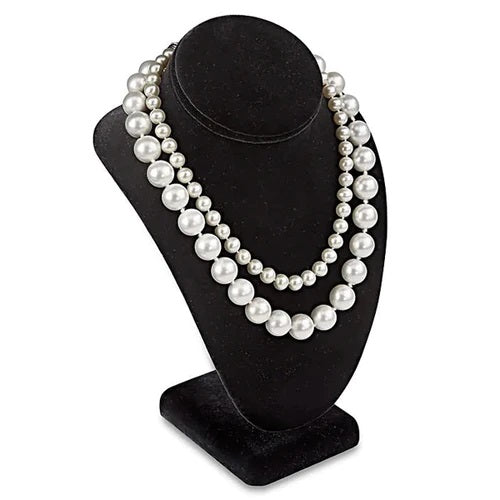
A gem produced by a mollusc. Natural pearls form without deliberate human initiation; cultured pearls develop after human intervention. Both can occur in freshwater or saltwater. Cultured does not mean imitation, and roundness alone does not identify where or how a pearl formed. Pearl is a June birthstone.
Traditional meanings
Traditionally associated with modesty, purity, beauty, wisdom, affection and happiness. Pearls are often chosen for gifts marking commitment, maturity or an important life transition. Meanings differ between cultures, and a pearl’s value as a personal symbol does not depend on being natural rather than cultured.
Composition, history & chakra details
Composition & colours
Pearls are organic gems formed within molluscs. Many consist of layers of nacre, containing aragonite and organic material, but not every kind of pearl is nacreous. Natural pearls form without deliberate human intervention; cultured pearls develop after a grafting or nucleation procedure. Not all cultured pearls contain a central bead, and the familiar “grain of sand” story is an oversimplification of pearl formation.
Origins, history & uses
Freshwater and saltwater cultured pearls come from different molluscs and farming environments. Colours include white, cream, pink, peach, silver, golden, grey and dark shades, with natural and treated colours both on the market. Shape, surface, lustre and matching matter in jewellery. Pearls have a long history in personal adornment and are a June birthstone. Their softness and organic content make gentle care essential.
Birthstone
June. A commonly used monthly birthstone. Traditional symbolism: Modesty, purity, beauty, happiness.
Traditional zodiac associations
Cancer and Scorpio
Peridot
Minerals
More examples

Mohs hardness6.5–7
A yellow-green to green gem variety of olivine. Its colour comes from iron within the mineral's composition. It is used in faceted jewellery and beads, and is an August birthstone. It is less scratch-resistant than quartz and can be vulnerable to impacts.
Traditional meanings
Traditionally associated with light, protection, confidence, renewal and a generous outlook. Contemporary practitioners choose it for intentions involving releasing resentment, welcoming change and approaching relationships with warmth.
Composition, history & chakra details
Composition & colours
Peridot is gem-quality olivine, usually rich in the magnesium end member forsterite. Iron within its structure contributes to its yellowish-green, olive-green or brownish-green colour. Much peridot forms in the mantle and reaches the surface in volcanic rocks; rare extraterrestrial examples occur in meteorites, but ordinary jewellery should not be described as meteoritic without evidence.
Origins, history & uses
Sources include Pakistan, Myanmar, China and the United States, with Egypt’s Red Sea island of Zabargad an important historic source. GIA relates the name to the Arabic faridat, meaning gem. Ancient Egyptians associated it with sunlight, and it has sometimes been confused historically with emerald or topaz. It is used in faceted jewellery and beads and is an August birthstone. Sudden temperature changes can be damaging.
Chakra associations
Commonly associated with the heart chakra.
Birthstone
August. A commonly used monthly birthstone. Traditional symbolism: Fame, dignity, protection, success.
Traditional zodiac associations
Leo
Pietersite
Rocks and aggregates
More examples


Mohs hardnessVariable; quartz-rich material is relatively hard
An ornamental aggregate containing quartz and fibrous minerals, often with swirling blue, gold and brown areas and a moving silky reflection. Research has examined material from Namibia and China. It resembles tiger's eye in its chatoyancy but commonly has a more disrupted pattern.
Traditional meanings
Contemporary crystal practice associates pietersite with insight, personal resolve, change and finding steadiness amid disruption. Its swirling appearance has inspired storm-related imagery and intentions involving a fresh perspective.
Composition, history & chakra details
Composition & colours
Pietersite is a chatoyant ornamental rock containing fibrous amphibole material in a silica-rich matrix. Its disrupted, swirling structure produces a different pattern from the straighter bands of typical tiger’s eye. Blue, golden, brown and reddish areas can appear together, with a moving silky reflection when properly cut. The mineral proportions and detailed structure vary.
Origins, history & uses
Namibia and China are the best-known sources. The name honours Sid Pieters, associated with the Namibian discovery in the twentieth century. Pietersite is commonly made into cabochons, beads and carvings that display its chatoyancy. Claims that one colour is always the rarest or that there can never be another source are too absolute.
Chakra associations
Blue areas are commonly linked with the third eye, while golden colours are linked with the sacral and solar plexus chakras.
Prehnite
Minerals
More examples

Mohs hardness6–6.5
A calcium aluminium silicate mineral, commonly translucent pale green to yellow-green. Beads and cabochons may contain darker mineral inclusions. Its soft-looking colour does not mean it is a soft material, but cleavage and inclusions can still make it vulnerable to knocks.
Traditional meanings
In contemporary crystal traditions, prehnite is associated with calm, preparedness, unconditional love and aligning personal choices with heartfelt values. It is often used as a focus for reflection and a less cluttered outlook.
Composition, history & chakra details
Composition & colours
Prehnite is a calcium aluminium silicate that often forms rounded or botryoidal aggregates in cavities and veins. Pale green and yellow-green are familiar, with colourless and other material also occurring. It can be translucent, with a glassy or pearly appearance. Dark inclusions in some beads may be another mineral, commonly epidote, rather than a defect that identifies all prehnite.
Origins, history & uses
Occurrences include South Africa, Australia, Namibia, India, Canada and the United States. The name honours Hendrik von Prehn. It is frequently cut into cabochons, beads and small carvings, while well-formed crystal groups are collected as specimens. Its cleavage and internal features should be considered when choosing a jewellery design.
Chakra associations
Commonly associated with the heart and solar plexus chakras.
Pyrite
Minerals
More examples

Mohs hardness6–6.5
Iron sulphide with a brass-yellow metallic appearance, hence the nickname fool's gold. Crystals may form cubes, octahedra or other shapes; a cube has six faces. Pyrite is a different mineral from gold and from the silicate-rich ornamental stone pietersite.
Traditional meanings
Traditionally associated with strength, confidence, protection, self-knowledge and prosperity. Crystal practitioners choose it as a symbol of practical ambition, clear action and the courage to make use of one’s abilities.
Composition, history & chakra details
Composition & colours
Pyrite is iron sulphide, commonly brassy yellow with a metallic lustre. It can form cubes, which have six faces, or pyritohedra, which have twelve pentagonal faces. Those are different crystal shapes. Its resemblance to gold explains the nickname fool’s gold, but its properties differ from those of the metal.
Origins, history & uses
Pyrite occurs worldwide, with familiar specimens from Peru, Spain and many other countries. Its name is linked with fire and its ability to produce sparks when struck appropriately. It is used in beads, carvings and ornamental jewellery; much jewellery called “marcasite” actually contains pyrite. Some specimens can deteriorate in damp conditions, so dry storage matters.
Chakra associations
Commonly associated with the solar plexus chakra.
Quartz
Quartz family
More examples


Mohs hardness7
Silicon dioxide, a common mineral with many gem varieties. Rock crystal is colourless quartz; amethyst is purple and rose quartz is pink. Quartz may be natural, laboratory-grown, dyed, coated or otherwise treated. Names such as cherry quartz can refer to glass, so the material description matters.
Traditional meanings
Traditionally associated with clarity, good fortune, confidence, imagination, harmony, patience and perseverance. Clear quartz is often used as a symbolic focus for intention or amplification. Rose quartz is associated with affection, compassion and self-love, while smoky quartz is linked with grounding and letting go.
Composition, history & chakra details
Composition & colours
Quartz is crystalline silicon dioxide and one of the most common minerals in the crust. Familiar crystals have six-sided prisms with pointed terminations, although quartz also occurs in massive and fine-grained forms. Clear rock crystal, amethyst, citrine, smoky quartz and rose quartz have different appearances. Needle-like rutile inclusions create rutilated quartz; not every black needle is rutile. Names such as cherry quartz can describe manufactured glass, while lemon quartz may involve treatment.
Origins, history & uses
Quartz occurs worldwide, with important gem and specimen material from Brazil, Madagascar and many other countries. It is used in beads, carvings, faceted gems and industrial applications. Its piezoelectric properties are useful in technical devices. The word “crystal” is connected historically with the Greek word for ice; the name quartz has a different linguistic history.
Chakra associations
Clear quartz is often connected with the crown or used across a chakra layout; rose quartz with the heart; smoky quartz with the root.
Traditional zodiac associations
Taurus
Rhodochrosite
Minerals
More examples

Mohs hardness3.5–4
A manganese carbonate mineral, often pink to red with pale bands in ornamental material. It is much softer than quartz and has cleavage, so it needs protection in jewellery. Rhodochrosite and rhodonite are different minerals despite their similar names and colours.
Traditional meanings
Associated with comfort, harmony, friendship, kindness, tolerance, compassion and self-love. Modern crystal practitioners choose it for intentions involving emotional honesty, receiving support and treating oneself gently.
Composition, history & chakra details
Composition & colours
Rhodochrosite is manganese carbonate, often pink, rose-red or peach with pale or cream-coloured bands. Transparent crystals and banded massive material have different appearances and uses. It is a separate mineral from rhodonite, despite the similar names and overlapping colours.
Origins, history & uses
Argentina is famous for banded material, while notable crystals also come from Colorado and other localities. Banded rhodochrosite is used for beads, cabochons and carvings. Its low hardness and cleavage mean it needs more protection than quartz or garnet.
Chakra associations
Commonly associated with the heart and, in some traditions, the solar plexus chakra.
Rhodonite
Minerals
More examples

Mohs hardness5.5–6.5
A manganese-rich silicate mineral, commonly pink or rose-red with dark manganese-oxide areas in bead and cabochon material. It is usually tougher in compact aggregates than in individual crystals, but can still chip or scratch. It is distinct from rhodochrosite.
Traditional meanings
Traditionally associated with goodwill, inspiration, compassion, friendship and a sense of direction. In modern crystal practice it is chosen for intentions involving forgiveness, rebuilding confidence and reconnecting with other people.
Composition, history & chakra details
Composition & colours
Rhodonite is a manganese silicate, commonly pink to rose-red and often marked with black manganese-oxide material. It is not the same mineral as pink carbonate rhodochrosite. Opaque to translucent ornamental material is familiar, while transparent crystals are less commonly encountered in jewellery.
Origins, history & uses
Occurrences include Australia, Brazil, Russia, Sweden, Canada and other countries. It is usually cut into beads, cabochons and carvings. Dark veining can be an attractive part of the design, but a surface pattern alone does not identify a stone.
Chakra associations
Commonly associated with the heart chakra.
Ruby
Minerals
More examples

Mohs hardness9
The red gem variety of corundum, with colour chiefly associated with chromium. Natural ruby, laboratory-grown ruby and ruby-containing composites require different descriptions. Heat treatment and fracture filling can affect care. Ruby is the July birthstone.
Traditional meanings
Traditionally associated with integrity, devotion, happiness, courage, passion, romance, enthusiasm and generosity. Crystal practitioners also connect ruby with warmth, inspiration, leadership and the determination to act on a deeply held commitment.
Composition, history & chakra details
Composition & colours
Ruby is red corundum, coloured chiefly by chromium. Sapphire is the name for other gem colours of corundum. Ruby’s hardness is 9, but it is not accurate to call it the world’s second-toughest gem: toughness is a different property. Rubies occur in metamorphic environments and in deposits associated with volcanic rocks, and may be recovered from alluvial gravels. They range from transparent to opaque, with pinkish, purplish or orangey modifications to the red.
Origins, history & uses
Myanmar, Mozambique, Madagascar, Sri Lanka, Tanzania and other countries are sources. The name is related to Latin words for red. Ruby has a long place in royal jewellery and traditions of passion and power. Aligned inclusions can produce a star when material is appropriately cut as a cabochon. Inclusions can affect beauty, durability and value; they are not automatically harmless. Heat treatment, fracture filling and laboratory-grown material need accurate disclosure.
Chakra associations
Commonly associated with the root chakra.
Birthstone
July. A commonly used monthly birthstone. Traditional symbolism: Love, success, integrity, passion & promise.
Traditional zodiac associations
Cancer
Rubycrosite
Trade namesMohs hardnessNot established by this name
Material identity unconfirmedA name found in the older glossary that does not provide a reliable mineral identification. It should not be treated as another spelling of ruby, rhodochrosite or ruby in zoisite without evidence from the supplier.
Traditional meanings
A specific spiritual, chakra or birthstone association should wait until the actual material is known.
Composition, history & chakra details
Composition & colours
“Rubycrosite” is retained from the earlier guide as an unresolved trade or spelling label. It does not, by itself, establish a recognised mineral identity. It should not automatically be equated with ruby, rhodochrosite or a mixture of the two.
Origins, history & uses
Ask the supplier for the intended material name, composition and any treatment information before assigning hardness, source or care. Similar-sounding names are not enough to make an identification.
Rutile
Minerals
More examples

Mohs hardness6–6.5 for rutile
Titanium dioxide, a mineral that can form needle-like inclusions in other gems. Rutilated quartz is quartz containing rutile; its outer surface therefore has the properties of quartz. Not every dark needle in quartz is rutile—tourmaline and other minerals can also form inclusions.
Traditional meanings
The fine lines in rutilated quartz can be chosen as a personal symbol of connection, focused intention and finding a path forward. Contemporary meanings depend on whether a practitioner is discussing rutile itself or the quartz-and-rutile combination.
Composition, history & chakra details
Composition & colours
Rutile is titanium dioxide. It may form slender needles or other crystals, with golden, reddish-brown, dark or black appearances. In rutilated quartz, rutile needles are enclosed in a quartz host. The host and inclusion are different minerals, so their individual properties should not be confused.
Origins, history & uses
Rutile occurs in many geological settings and countries. Quartz containing attractive rutile needles is made into beads, cabochons and faceted gems, sometimes sold as angel-hair quartz. Not every dark needle in quartz is rutile; tourmaline and other inclusions also occur. “Rutilated amethyst” should describe rutile in actual amethyst rather than a colour effect alone.
Sapphire
Minerals
More examples


Mohs hardness9
Gem corundum in colours other than ruby red, including blue, pink, yellow and colourless. Natural and laboratory-grown sapphire both exist, and several colour or clarity treatments are possible. A star effect can appear in suitably cut material with oriented inclusions. Sapphire is the September birthstone.
Traditional meanings
Traditional meanings vary by colour: blue is associated with wisdom, intuition, meditation and truthful expression; green with good fortune and understanding; orange with optimism and friendliness; pink with generosity, love and loyalty; white with spiritual clarity; yellow with learning and thoughtful judgement. Star sapphire is often linked with guidance and a centred outlook.
Composition, history & chakra details
Composition & colours
Sapphire is gem corundum in colours other than ruby red. Blue is the most familiar, but pink, yellow, orange, green, purple, black and colourless material also occurs. Trace elements and structural features produce different colours. Inclusions may include needles, crystals or growth features; fine rutile needles can create a star in suitably oriented cabochons. Not every sapphire contains inclusions visible to the naked eye.
Origins, history & uses
Sources include Sri Lanka, Madagascar, Australia, Myanmar, Thailand, Tanzania and other regions. Sapphire has long been associated with royalty, wisdom and sincerity. It is used in faceted jewellery, star cabochons and beads. Heat treatment and other processes can alter colour or clarity, and laboratory-grown sapphire also exists. Its high hardness does not make every treated or fractured stone equally durable.
Chakra associations
Blue sapphire is commonly linked with the throat and third eye; pink and green with the heart; yellow with the solar plexus; white with the crown.
Birthstone
September. A commonly used monthly birthstone. Traditional symbolism: Truth, sincerity, commitment, loyalty.
Traditional zodiac associations
Libra, Taurus and Virgo
Selenite
Minerals
More examples

Mohs hardnessAbout 2
The transparent crystalline variety of gypsum. Shops also often use the name for silky, fibrous satin spar gypsum, although the appearances differ. Both are very soft and are better suited to protected decorative use than jewellery exposed to rubbing and knocks.
Traditional meanings
Contemporary crystal traditions associate selenite with cleansing, peace, protection, spiritual clarity and quiet reflection. Practitioners may use it symbolically in a meditation space or alongside other stones as part of an intention-setting ritual.
Composition, history & chakra details
Composition & colours
Selenite is the transparent crystalline variety of gypsum. Fibrous gypsum with a silky sheen is satin spar, although it is often sold under the name selenite. Both are calcium sulphate dihydrate and very soft. Neither should be confused with hard quartz simply because it appears clear or white.
Origins, history & uses
Gypsum occurs widely. Selenite crystals and satin-spar carvings are used as decorative specimens, wands and ornaments. The name selenite is associated with the moon and its soft, luminous appearance. Scratching and water exposure are practical concerns when choosing or caring for an item.
Chakra associations
Commonly associated with the crown chakra.
Seraphinite
Minerals
More examples

Mohs hardnessAbout 2–2.5
A trade name for ornamental clinochlore, a chlorite-group mineral. It is often dark green with silvery, feather-like reflections. Its attractive sheen does not make it durable: it is soft and needs protection against rubbing and scratches.
Traditional meanings
In contemporary crystal practice, seraphinite is associated with compassion, spiritual connection, renewal and a peaceful sense of alignment. Its angel-wing imagery makes it meaningful to people who work with angel symbolism.
Composition, history & chakra details
Composition & colours
Seraphinite is a trade name for a decorative variety of clinochlore, a chlorite-group mineral. Its dark green background and pale, feather-like sheen distinguish its familiar appearance. The silvery patterns are an optical feature of the mineral texture, not actual metal feathers.
Origins, history & uses
It is especially associated with material from Siberia, Russia. Its name evokes the feathered wings of seraphs. Beads and cabochons display the contrasting patterns, but the material is relatively soft and should be protected from scratching and harsh wear.
Chakra associations
Commonly associated with the heart chakra, with wider spiritual associations in some practices.
Serpentine
Minerals
More examples

Mohs hardnessVariable by mineral and aggregate
A group of mostly green silicate minerals. Compact ornamental material is used for beads and carvings; bowenite is a name used for a relatively tough variety. Serpentine may be sold as new jade, but that trade name does not make it jadeite or nephrite.
Traditional meanings
Traditionally associated in crystal literature with happiness, success, acceptance, independence and pursuing one’s aspirations. Modern practitioners also connect it with renewal, meditation and the symbolism of changing an old pattern.
Composition, history & chakra details
Composition & colours
Serpentine is a group of magnesium-rich sheet-silicate minerals, not one uniform green gem. Massive ornamental material may be green, yellow-green, brownish or mottled. Bowenite is a compact form commonly associated with antigorite, while williamsite is another ornamental variety name. These should not be confused with jade merely because the colour is similar.
Origins, history & uses
Serpentine minerals occur widely, with ornamental material from several countries. Beads, cabochons and carvings are common. The exact mineral texture matters: fibrous and compact materials should not be treated as identical for cutting or drilling. Trade names such as “new jade” need a clear actual-material description.
Chakra associations
Some contemporary traditions use serpentine for overall chakra alignment rather than one universally agreed chakra.
Sodalite
Minerals
More examples

Mohs hardness5.5–6
A sodium-rich aluminosilicate mineral often blue with white areas in ornamental material. It can resemble lapis lazuli, but it is a different material. Both may occur as mineral mixtures in beads, so blue colour alone is not sufficient identification.
Traditional meanings
Traditionally associated with rational thought, independence, balance, good judgement, perception and honest communication. It is chosen in crystal practice for intentions involving a career transition, clearer expression and confidence in one’s own judgement.
Composition, history & chakra details
Composition & colours
Sodalite is a sodium-rich feldspathoid mineral, commonly blue with white or other contrasting areas. It is different from lapis lazuli, which is a rock containing several minerals. Sodalite can also occur in other colours; blue is its most familiar jewellery appearance.
Origins, history & uses
Sources include Brazil, Canada, Namibia, Greenland and other countries. Bancroft, Ontario, is a well-known Canadian locality. The “Princess Blue” story is associated with the Princess of Wales and a 1901 presentation of Bancroft sodalite, rather than a discovery by Princess Margaret. It is used in beads, cabochons, carvings and decorative stonework.
Chakra associations
Commonly associated with the throat chakra; some traditions also connect it with inner perception.
Traditional zodiac associations
Cancer, Gemini and Aquarius
Spinel
Minerals
More examples

Mohs hardness8
A magnesium aluminium oxide mineral, distinct from corundum. It occurs in red, pink, blue, purple, black and other colours, and red spinel was historically mistaken for ruby. Natural and laboratory-grown spinel both exist. Spinel is an August birthstone.
Traditional meanings
Contemporary crystal traditions associate spinel with renewal, perseverance, fresh motivation and restoring enthusiasm after a demanding period. Different colours may be used for different intentions.
Composition, history & chakra details
Composition & colours
Gem spinel is magnesium aluminium oxide and a separate mineral from corundum. It occurs in red, pink, orange, blue, violet, grey, black and other colours. Spinel and ruby can occur together, which helped sustain historical confusion. Natural spinel, laboratory-grown spinel and material used as an imitation should be distinguished.
Origins, history & uses
Sources include Myanmar, Sri Lanka, Tajikistan, Tanzania and Vietnam. Some celebrated “rubies” in royal collections are spinels, including the Black Prince’s Ruby and the Timur Ruby. The name is commonly related to the Latin word for a thorn, referring to pointed crystals, rather than simply the Greek word for spark. Spinel is often untreated, but treatment is possible and should not be ruled out automatically. It is now an August birthstone.
Chakra associations
Chakra associations vary by colour and author; some practices use spinel for overall alignment.
Birthstone
August. A commonly used monthly birthstone.
Sunstone
Feldspar family
More examples

Mohs hardnessVaries with the feldspar variety
A name used for feldspar gems that may show sparkling reflections from tiny inclusions. Different sunstones can be orthoclase or plagioclase feldspar; inclusions may include copper or iron-bearing minerals. Sunstone is not the same material as manufactured goldstone glass.
Traditional meanings
Associated with freedom, originality, joy, romance, independence, confidence and good fortune. Contemporary practitioners choose it as a symbol of warmth, leadership, creativity and taking pleasure in life.
Composition, history & chakra details
Composition & colours
Sunstone is an aventurescent feldspar: reflective inclusions create a glittering or shimmering effect. It can belong to different feldspar types, not only orthoclase. In Oregon material, copper inclusions are well known; other sunstones may contain hematite or other reflective minerals. This effect should not be confused with moonstone’s adularescence or labradorite’s labradorescence.
Origins, history & uses
Sources include the United States, India, Norway, Tanzania and other countries. Body colours include colourless, yellow, orange, red, brown and sometimes green, depending on the material. Opaque or included material is often cut as cabochons and beads, while transparent material can be faceted. Manufactured goldstone glass is a separate product.
Chakra associations
Commonly associated with the root and sacral chakras, with colour-based variations in some traditions.
Suzulite
Trade namesMohs hardnessNot established by this name
Material identity unconfirmedA non-standard name retained from the older glossary. It does not reliably identify a mineral, and it should not automatically be corrected to sugilite or another similar-sounding name. Supplier documentation is needed to establish what the product actually contains.
Traditional meanings
Spiritual and chakra associations depend on the intended material and should not be borrowed from a similar-sounding name.
Composition, history & chakra details
Composition & colours
“Suzulite” is an unresolved name retained from the earlier guide. It should not be assumed to mean sugilite or lazulite without confirmation; those are different recognised minerals.
Origins, history & uses
A supplier’s description, composition and treatment information are needed before assigning a hardness, source, value or care method. An uncertain spelling should remain clearly identified rather than being turned into a confident mineral profile.
Talc
Minerals
More examples

Mohs hardness1
A hydrated magnesium silicate mineral and the reference for hardness 1 on the Mohs scale. It is extremely soft, with a greasy or soapy feel. Talc-rich rock may be sold as soapstone, but that rock contains a mixture of minerals rather than necessarily pure talc.
Traditional meanings
There is no single widely shared chakra association for talc. A carved object can still hold personal meaning, but mineral identity and intended use should guide how it is handled.
Composition, history & chakra details
Composition & colours
Talc is a hydrated magnesium silicate with a sheet-like structure and a characteristic soft, greasy or soapy feel. It is the reference mineral for Mohs hardness 1. Material may be white, pale green, grey or other subdued colours, with a pearly or dull lustre. Soapstone is a rock rich in talc, not necessarily pure talc.
Origins, history & uses
Talc occurs widely in altered and metamorphic rocks. It is used in industrial products, ceramics, paper and some cosmetics, while talc-rich soapstone is carved into ornamental objects. A decorative stone is not automatically a cosmetic-grade ingredient. Its extreme softness limits durable everyday beadwork.
Tanzanite
Minerals
More examples

Mohs hardnessAbout 6–7
The blue-to-violet gem variety of zoisite, associated with the Merelani area of Tanzania. Much commercial material is heat-treated to develop its colour. Cleavage and sensitivity to temperature changes require care. Tanzanite is a December birthstone.
Traditional meanings
Contemporary crystal traditions associate tanzanite with insight, understanding, spiritual awareness and bringing intuition into clear expression. It is chosen for reflection, meaningful communication and a sense of purpose.
Composition, history & chakra details
Composition & colours
Tanzanite is blue to violet zoisite, not a separate mineral species. It can show different colours along different crystal directions. Much commercial material has been heated to develop its desirable blue-violet appearance. Brownish or other zoisite should not automatically be described as finished blue tanzanite.
Origins, history & uses
Its established commercial source is the Merelani area near Mount Kilimanjaro in Tanzania. The gem entered the modern market in the twentieth century and takes its trade name from the country. It is used in faceted jewellery and beads and is a December birthstone. Its cleavage and sensitivity to sudden temperature changes make protective wear and gentle cleaning important.
Chakra associations
Commonly associated with the throat, third eye and crown chakras.
Birthstone
December. A commonly used monthly birthstone. Traditional symbolism: Contentment, understanding.
Tiger’s eye
Quartz family
More examples


Mohs hardnessAbout 7
A quartz-rich ornamental material known for parallel bands and a moving silky reflection called chatoyancy. Golden-brown material is familiar; blue material is often called hawk's eye. Red material may be heat-treated. Tiger iron is a mixed rock containing tiger's eye, jasper and iron-rich layers.
Traditional meanings
Traditionally associated with stability, endurance, confidence, security, discipline and concentration. Crystal practitioners use it as a symbol of practical courage, sound judgement and pursuing prosperity through steady effort.
Composition, history & chakra details
Composition & colours
Tiger’s eye is a chatoyant quartz-rich material with a fibrous structure that produces a moving band of light. Golden-brown is familiar, while blue material is often called hawk’s eye and red material may be heat-treated. Its formation involves a relationship between quartz and fibrous amphibole material; a simple description as uniform pure quartz misses that texture. Tiger iron is a separate layered rock combining tiger’s eye, jasper and hematite.
Origins, history & uses
South Africa is a major familiar source, with occurrences elsewhere. Beads and cabochons are oriented to display the eye-like reflection. The effect is strongest when the structure and cutting direction work together. A photograph taken at one angle may not show how the band moves in person.
Chakra associations
Golden tiger’s eye is commonly associated with the solar plexus; other colours receive different associations.
Topaz
Minerals
More examples


Mohs hardness8
An aluminium silicate mineral occurring in a range of colours. Much blue topaz has been irradiated and heated. Its hardness is high, but perfect cleavage makes it vulnerable to a well-placed knock. Smoky topaz is a misleading trade name commonly used for smoky quartz. Topaz is a November birthstone.
Traditional meanings
Traditionally associated with strength, leadership, tranquillity, generosity and optimism. Golden topaz is linked with creativity, abundance, warmth and inspiration; pink with affection, honour and truth; blue with calm communication. Different authors add further colour meanings.
Composition, history & chakra details
Composition & colours
Topaz is an aluminium silicate containing fluorine and hydroxyl. It forms orthorhombic crystals and can be colourless, yellow, orange, brown, pink, red or blue. High hardness does not prevent splitting along its pronounced cleavage. Much commercial blue topaz owes its colour to irradiation followed by heating. “Smoky topaz” is often a misleading trade description for smoky quartz, which is a different mineral.
Origins, history & uses
Brazil is a major source, with deposits in Pakistan, Russia, Nigeria and other countries. The name is commonly linked with Topazios, an old name for an island that actually produced peridot; another proposed derivation relates to a Sanskrit word for fire. Topaz has carried strength and protection symbolism in several traditions. It is used in faceted jewellery and beads and is a November birthstone.
Chakra associations
Associations depend on colour. Blue is commonly linked with the throat, golden or yellow with the solar plexus, and pink with the heart.
Birthstone
November. A commonly used monthly birthstone. Traditional symbolism: Strength, wisdom, courage.
Traditional zodiac associations
Scorpio
Tourmaline
Minerals
More examples


Mohs hardness7–7.5
A group of boron-bearing silicate minerals with a wide range of colours. A single crystal may contain more than one colour. Trade names include rubellite for pink-to-red material and indicolite for blue material; black schorl is another familiar member. Tourmaline is an October birthstone.
Traditional meanings
Traditionally associated with abundance, generosity, courage, protection, concentration and understanding. Contemporary interpretations distinguish colours: black for grounding and boundaries, pink for affection and compassion, green for growth and openness, and blue for calm expression and insight.
Composition, history & chakra details
Composition & colours
Tourmaline is a group of boron-bearing silicate minerals with complex compositions. It includes many species, so an old fixed count of fourteen should not be treated as a current definition. A single crystal can contain more than one colour. Rubellite is a trade name for pink-to-red material, indicolite for blue, schorl a familiar black species, and dravite a species often seen in brown. Green, pink, blue, black, yellow and colourless material all occur.
Origins, history & uses
Sources include Brazil, Afghanistan, Pakistan, Madagascar, Mozambique, Nigeria, Tanzania and the United States. The name derives from a Sinhalese term relating to mixed gems. Its broad colour range led to historical confusion with other stones. It is used in faceted gems, slices, carvings and beads. Heat or irradiation may be used on some material, but “usually heat treated” is too sweeping a statement for all tourmaline.
Chakra associations
Black tourmaline is commonly associated with the root; pink and green with the heart; blue with the throat and third eye.
Birthstone
October. A commonly used monthly birthstone. Traditional symbolism: Balance, endurance, safety.
Turquoise
Minerals
More examples

Mohs hardness5–6
A blue-to-green hydrated copper aluminium phosphate mineral. It can be porous, and material may be stabilised, dyed, waxed or otherwise treated. Reconstructed products and imitations also exist. A turquoise colour description is not proof of the mineral. Turquoise is a December birthstone.
Traditional meanings
Traditionally associated with protection, good fortune, friendship, family bonds, trust and kindness. Crystal practitioners also connect it with honest expression, wholeness, enthusiasm and understanding. Cultural meanings are diverse rather than one universal turquoise belief.
Composition, history & chakra details
Composition & colours
Turquoise is a hydrated copper aluminium phosphate, commonly opaque and blue to green. Other elements and surrounding minerals can influence its colour and matrix. Brown or dark veining may be part of the host rock. Porosity and hardness vary, and stabilisation or other treatments are common in commercial material. Dyed howlite, magnesite, composites and other imitations should be identified separately.
Origins, history & uses
Sources include Iran, China, the southwestern United States, Mexico and Egypt’s Sinai region. Turquoise has been used in ancient Egyptian jewellery, Asian carvings and the ornaments and ceremonial objects of Indigenous peoples in the Americas, each with distinct traditions. Its name is linked with the French expression for Turkish stone and historic trade routes, not proof that a bead was mined in Turkey. Beads, cabochons, carvings and inlay remain familiar uses.
Chakra associations
Commonly associated with the throat, with some traditions also using it for third-eye reflection.
Birthstone
December. A commonly used monthly birthstone. Traditional symbolism: New possibilities, happiness.
Traditional zodiac associations
Sagittarius
Unakite
Rocks and aggregates
More examples

Mohs hardnessVariable; commonly around 6–7
An altered granitic rock with a recognisable combination of pink feldspar, green epidote and quartz. These minerals create a mottled pattern used in beads, cabochons and carvings. It is a rock mixture rather than a single mineral species.
Traditional meanings
Contemporary crystal traditions associate unakite with patience, compassion, emotional balance and gradual personal growth. It is chosen as a reminder to bring practical action and heartfelt priorities into harmony.
Composition, history & chakra details
Composition & colours
Unakite is an altered rock typically combining pink feldspar, green epidote and quartz. Its mottled appearance reflects these different minerals rather than one single green-and-pink crystal. The relative amounts and grain sizes vary, producing different-looking beads.
Origins, history & uses
The name refers to the Unaka region of the Appalachian Mountains in the United States, rather than simply a discovery in South Carolina. The material is used for beads, cabochons, spheres and carvings. As a mixed rock, it should be considered as a whole when assessing polish, wear and care.
Chakra associations
Commonly associated with the heart chakra.
Zircon
Minerals
More examples

Mohs hardness6–7.5, depending on type
A naturally occurring zirconium silicate mineral found in several colours. It is distinct from cubic zirconia, the manufactured material commonly abbreviated CZ. Heat treatment can change zircon's colour, and facet edges may chip with wear. Zircon is a December birthstone.
Traditional meanings
Historical gemstone lore has linked zircon with honour, wisdom and prosperity. A piece can be chosen as a symbol of clarity, dignity or a fresh beginning. Chakra associations vary between contemporary authors and colours.
Composition, history & chakra details
Composition & colours
Zircon is zirconium silicate, a natural mineral distinct from cubic zirconia. It occurs in many colours, including brown, yellow, red, green, blue and colourless. Heating can produce or modify some commercial colours. Its strong brilliance and, in many specimens, visible doubling of facet edges are useful gem characteristics.
Origins, history & uses
Sources include Cambodia, Sri Lanka, Myanmar, Australia and other regions. Colourless zircon has historically been used as a diamond alternative, but it is a natural gem in its own right. It is often faceted, while beads and other forms are also encountered. Zircon is a December birthstone. It needs protection from abrasion and knocks despite its sparkle.
Birthstone
December. A commonly used monthly birthstone.
Zoisite
Minerals
More examples

Mohs hardness6–7
A calcium aluminium silicate mineral. Its blue-to-violet gem variety is tanzanite. Ruby in zoisite, often called anyolite, is a mixed ornamental rock with ruby in a green zoisite-rich matrix; it does not have one uniform hardness throughout.
Traditional meanings
Associated in contemporary crystal traditions with harmony, imagination, perception and balance during personal change. Ruby-in-zoisite is often chosen symbolically for bringing vitality and heartfelt priorities together. Those interpretations differ from the meanings assigned specifically to tanzanite.
Composition, history & chakra details
Composition & colours
Zoisite is a calcium aluminium silicate. Its gem varieties include blue-violet tanzanite, while pink material is known as thulite. Ruby-in-zoisite is a rock containing red corundum with green zoisite and commonly dark mineral patches; it is not a single red-green mineral. Different components have different properties.
Origins, history & uses
The mineral was named in honour of Sigmund Zois, a naturalist and mineral collector, in the early nineteenth century. Zoisite occurs in several countries, while Tanzania is especially associated with tanzanite and ruby-in-zoisite. Beads and carvings display the contrasting colours of the mixed rock. The softer or more cleavable component should be considered in care.
Photograph sources & licences
Images illustrate appearance. Explore “More examples” for additional photographs and colour variations. Colours vary with lighting and screens; an image cannot confirm identity, origin or treatment. Sources and licences are listed below.
- Kunzite — Main image source: Kunzite - Cleveland Museum of Natural History (34316582742).jpg · Tim Evanson from Cleveland Heights, Ohio, USA · CC BY-SA 2.0 · Adapted from the source photograph; source licence retained.
- Kunzite — Cut kunzite: Kunzite - Cleveland Museum of Natural History (34316582742).jpg · Tim Evanson from Cleveland Heights, Ohio, USA · CC BY-SA 2.0
- Kyanite — Blue kyanite crystal: Kyanite crystal 1.jpg · W.carter · CC BY-SA 4.0
- Labradorite — Another flash pattern: Labradorite cut.jpg · Eurico Zimbres Zimbres · CC BY-SA 3.0
- Lapis lazuli — Polished lapis lazuli: Tumble-polished lapis lazuli 1.jpg · W.carter · CC BY-SA 4.0
- Lava stone — Porous volcanic rock: Vesicular basalt (Quaternary; Snake River Plain, Idaho, USA) 4.jpg · James St. John · CC BY 2.0
- Malachite — Polished banded malachite: Tumbled malachite gemstone 1.jpg · W.carter · CC BY 4.0
- Mookaite — Mookaite cabochon: Mookite2.jpg · Geschichtsmecki · Public domain
- Moonstone — Moonstone cabochon: Moonstone B.jpg · Wouter Hagens · CC BY-SA 4.0
- Moonstone — Another moonstone example: Orthoclase moonstone.jpg · Ra'ike (see also: de:Benutzer:Ra'ike ) · CC BY 2.5
- Morganite — Main image source: Morganite cut.jpg · Eurico Zimbres Zimbres · CC BY-SA 3.0 · Adapted from the source photograph; source licence retained.
- Morganite — Cut pale-pink morganite: Morganite cut.jpg · Eurico Zimbres Zimbres · CC BY-SA 3.0
- Morganite — Peach morganite crystal: Beryl-Quartz-morganite brazil1.jpg · Robert M. Lavinsky · CC BY-SA 3.0
- Mother of pearl — Iridescent shell pieces: Nacre sticks.JPG · Mauro Cateb · CC BY-SA 3.0
- Obsidian — Obsidian cabochon: Cabochon d'obsidienne.jpg · Vassil · Public domain
- Obsidian — Snowflake obsidian: Snowflake Obsidian441.jpg · Benjamint444 · CC BY-SA 3.0
- Onyx — Black onyx cabochons: Black oval onyx cabochons 1.jpg · W.carter · CC BY 4.0
- Onyx — Another onyx example: Onyx.jpg · Simon Eugster -- Simon 14:41, 11 April 2006 (UTC) · CC BY-SA 3.0
- Opal — Water opal cabochon: Cabochon-cut water opal 1.jpg · W.carter · CC BY-SA 4.0
- Opal — Dark opal example: Blackopal blue.jpg · · CC BY-SA 3.0
- Opal — Fire opal example: Fireopal-brasil hg.jpg · Hannes Grobe/ Hannes Grobe ( talk ) · CC BY 3.0
- Opalite — Main image source: "Opalite" - manmade opalescent glass 7.jpg · James St. John · CC BY 2.0 · Adapted from the source photograph; source licence retained.
- Opalite — Manufactured opalescent glass: "Opalite" - manmade opalescent glass 7.jpg · James St. John · CC BY 2.0
- Orthoclase — Orthoclase crystal: Orthoclase Saint-Gotthard Minéraux SU.jpg · Marie-Lan Taÿ Pamart · CC BY 4.0
- Pearl — White pearl necklace: White pearl necklace.jpg · Flickr.com user "tanakawho" · CC BY 2.0
- Pearl — Dark pearl and shell: A black pearl and a shell.jpg · Brocken Inaglory · CC BY-SA 3.0
- Peridot — Cut green peridot: Peridot-China.jpg · DonGuennie (G-Empire The World of Gems - Die Welt der Edelsteine) · CC BY-SA 4.0
- Pietersite — Polished pietersite: African pietersite 01.jpg · R12347 at English Wikipedia · Public domain
- Pietersite — Another colour pattern: Chinese pietersite 01.jpg · R12347 at English Wikipedia · Public domain
- Prehnite — Prehnite cabochon: Prehnite-pf-0003.jpg · Yaxx at English Wikipedia · CC BY-SA 3.0
- Pyrite — Pyrite crystals: Pyrite - Huanzala mine, Huallanca, Bolognesi, Ancash, Peru.jpg · Ivar Leidus · CC BY-SA 4.0
- Quartz — Quartz varieties: Quartz pebbles.jpg · Mauro Cateb · CC BY-SA 3.0
- Quartz — Smoky quartz: Smoky quartz pebbles.jpg · Mauro Cateb · CC BY-SA 3.0
- Quartz — Rose quartz: Rose quartz pebbles.jpg · Mauro Cateb · CC BY-SA 3.0
- Rhodochrosite — Polished rhodochrosite: Rhodochrosite - tumble polished stone.jpg · Ra'ike (see also: de:Benutzer:Ra'ike ) · CC BY 3.0
- Rhodonite — Polished rhodonite: Rhodonite - tumble polished stone.jpg · Ra'ike (see also: de:Benutzer:Ra'ike ) · CC BY-SA 3.0
- Ruby — Ruby cabochon: Ruby cabochon bufftop 2.14cts.jpg · Wiener Edelstein Zentrum · CC BY-SA 3.0
- Rutile — Main image source: Rutile (OM1-663).JPG · HolDu · CC BY-SA 3.0 de · Adapted from the source photograph; source licence retained.
- Rutile — Rutile crystals: Rutile (OM1-663).JPG · HolDu · CC BY-SA 3.0 de
- Sapphire — Blue sapphire cabochon: Sapphire cabochon 8.06cts.jpg · Wiener Edelstein Zentrum · CC BY-SA 3.0
- Sapphire — Star sapphire: Star sapphire.jpg · Kurisu rs at English Wikipedia Later versions were uploaded by Vsmith at en.wikipedia . · CC BY-SA 3.0
- Sapphire — Pink sapphire: Sapphire pink octagon 1.17cts.jpg · Wiener Edelstein Zentrum · CC BY-SA 3.0
- Selenite — Selenite crystals: NM Gypsum Selenite Cluster.jpg · Bryan Barnes · CC BY-SA 4.0
- Seraphinite — Polished seraphinite: Clinochlore (Seraphinite).jpg · Ra'ike (see also: de:Benutzer:Ra'ike ) · CC BY 3.0
- Serpentine — Polished serpentine-group material: Serpentine-Group-142252.jpg · Robert M. Lavinsky · CC BY-SA 3.0
- Sodalite — Sodalite cabochon: Sodalite cabouchon.JPG · Mauro Cateb · CC BY-SA 3.0
- Spinel — Cut red spinel: Spinel-49528.jpg · Robert M. Lavinsky · CC BY-SA 3.0
- Sunstone — Polished sunstone: Oligoclase-Sunstone from India.jpg · Ra'ike · CC BY-SA 3.0
- Talc — Talc specimen: Talc block.jpg · · Public domain
- Tanzanite — Rough and cut tanzanite: Zoïsite (Tanzanite).jpg · Didier Descouens · CC BY 3.0
- Tiger’s eye — Golden-brown tiger’s eye: Tiger's eye - A.jpg · Mauro Cateb · CC BY-SA 4.0
- Tiger’s eye — Blue hawk’s eye: Blue tiger eye - falcon eye.jpg · Linas Juozėnas · CC BY-SA 4.0
- Topaz — Cut blue topaz: Blue topaz (8358129568).jpg · MAURO CATEB from Brazil · CC BY 2.0
- Topaz — Golden topaz crystals: Topaze Brésil.jpg · Didier Descouens · CC BY-SA 4.0
- Tourmaline — Tourmaline cabochons: Tourmalines cabochons 21207.jpg · Vassil · Public domain
- Tourmaline — Tumbled colour examples: Tumbled tourmalines (177996152).jpg · Jarno from Rotterdam, Netherlands · CC BY 2.0
- Turquoise — Polished turquoise: Turquoise.pebble.700pix.jpg · Adrian Pingstone · Public domain
- Unakite — Polished unakite: Unakit - tumble polished stone.jpg · Ra'ike (see also: de:Benutzer:Ra'ike ) · CC BY 3.0
- Zircon — Main image source: Zircon-rlkg001a.JPG · Robert M. Lavinsky · CC BY-SA 3.0 · Adapted from the source photograph; source licence retained.
- Zircon — Zircon colour range: Zircon-rlkg001a.JPG · Robert M. Lavinsky · CC BY-SA 3.0
- Zoisite — Polished zoisite: Zoisit.jpg · Simon Eugster -- Simon 18:57, 11 April 2006 (UTC) · CC BY-SA 3.0